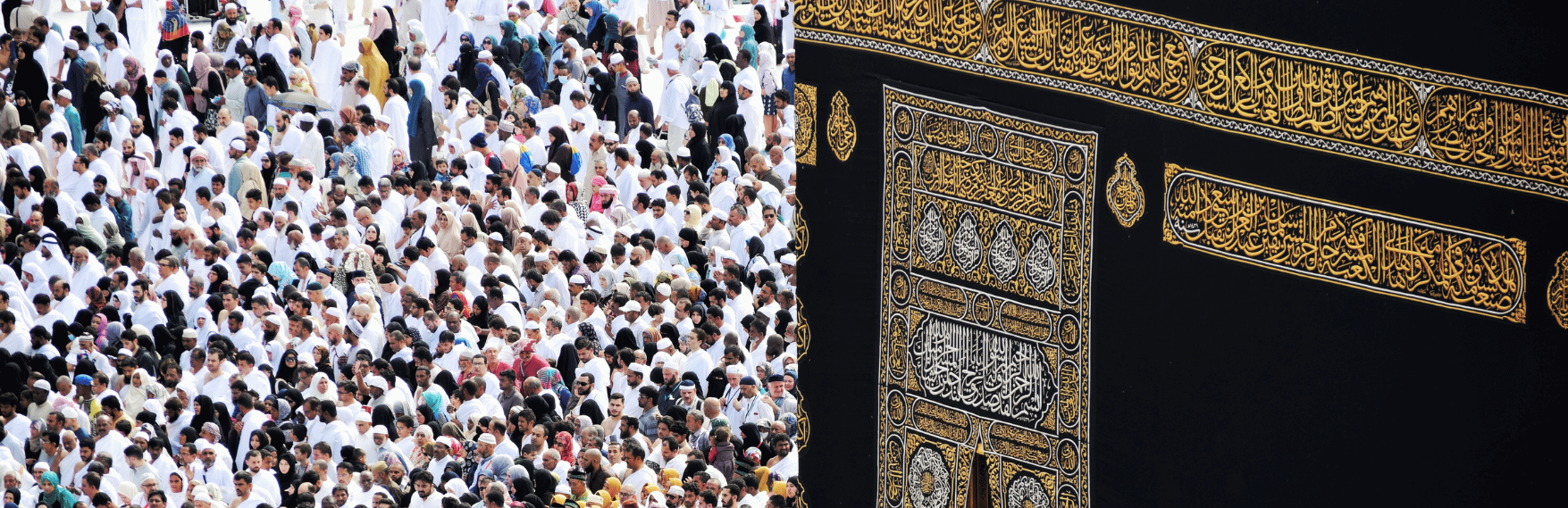
Before You Depart - Preparation Essentials
Thorough preparation in the months and weeks before departure sets the foundation for a successful pilgrimage. Address both spiritual and practical matters well in advance to avoid last-minute stress.
Health and Medical Preparations
Physical well-being directly impacts your ability to perform Hajj comfortably. Schedule a comprehensive medical check-up at least two to three months before departure. Discuss your travel plans with your physician, particularly if you have any chronic conditions like diabetes, heart disease, or respiratory issues. Your doctor can advise on necessary precautions and ensure your conditions are well-managed before you travel.
Saudi Arabia requires specific vaccinations for Hajj pilgrims. The meningococcal vaccine (ACWY) is mandatory and must be taken at least ten days before travel but no more than three years prior. Seasonal influenza vaccination is strongly recommended, especially for elderly pilgrims, those with chronic conditions, pregnant women, and children. COVID-19 vaccination requirements should be verified as policies may change. Other recommended vaccinations include those for hepatitis A and B, typhoid, and ensuring routine immunizations are current.
If you take regular medications, bring sufficient quantities for the entire journey plus extra in case of delays. Pack medications in their original labeled containers and carry a copy of your prescriptions. For controlled medications, carry a letter from your physician explaining the medical necessity. Bring a basic medical kit including pain relievers, antacids, anti-diarrheal medication, bandages and antiseptic, any personal medical supplies you regularly use, and oral rehydration salts for managing dehydration.
Physical conditioning helps tremendously. Hajj involves extensive walking—often several kilometers daily. Begin a walking exercise program at least two months before departure, gradually increasing distance and duration. This preparation helps prevent exhaustion and foot problems during the actual pilgrimage.
Documentation Requirements
Ensure all necessary documents are in order well before your departure. Your passport must be valid for at least six months beyond your intended return date. Verify that it has sufficient blank pages for visa stamps. Apply for your Hajj visa through your registered travel agency; individual applications are not processed for group Hajj. Keep multiple photocopies of important documents including passport, visa, vaccination certificates, insurance documents, and identification. Store copies separately from originals—keep one set in your luggage and another with a trusted person at home.
Create a travel file containing contact information for your travel agency, group leader contact details, Saudi Arabian embassy information, family emergency contacts in India and Saudi Arabia, and hotel addresses and phone numbers in Makkah and Madinah. Having this information readily accessible helps address any issues that may arise during your journey.
Financial Planning
Budget carefully for all expenses. Beyond the package cost paid to your travel agency, plan for personal expenses including additional meals and beverages, purchases of dates, Zamzam water containers, or souvenirs, any shopping you intend to do, tips for service providers, emergency contingency funds, and phone calls or internet access costs.
Carry money in multiple forms for security and flexibility. Bring some cash in Saudi Riyals for immediate expenses upon arrival and in US Dollars as a backup. ATM cards work in Saudi Arabia at most major banks, though international transaction fees apply. Inform your bank before traveling to avoid card blocks due to foreign transactions. Credit cards are widely accepted in shops and hotels. Consider bringing a money belt or secure pouch to keep cash and cards safe, especially in crowded areas.
What to Pack for Hajj
Packing appropriately ensures comfort and convenience throughout your journey. Balance between bringing essentials and keeping luggage manageable, as you will need to transport it multiple times.
Clothing and Personal Items
Ihram Requirements: Men need two pieces of white, unstitched cloth for Ihram. Bring at least two sets in case one becomes soiled or damaged. Include a money belt or waist pouch that can be worn under your Ihram to secure valuables. Sandals or slippers should expose the heels and ankles as required. Choose comfortable footwear as you will walk extensively.
Women require modest, loose-fitting clothing that covers the entire body except face and hands. Bring comfortable long dresses or abayas in breathable fabrics. A simple headscarf is needed; elaborate hijabs are unnecessary. If you typically wear niqab, bring a face covering that does not touch your face directly, as this is required during Ihram. Include comfortable walking shoes with good support.
Regular Clothing: After completing Ihram rituals, you will need regular clothes for the remainder of your stay. Bring lightweight, modest clothing suitable for hot weather—temperatures in Makkah and Madinah can be quite high. Cotton and other breathable fabrics are most comfortable. Pack modest sleepwear, undergarments for the duration of your trip, and a light jacket or shawl as indoor air conditioning can be cold.
Essential Items Checklist
Personal Hygiene: Bring unscented toiletries for use during Ihram, as perfumed products are prohibited. Include soap, shampoo, toothbrush and toothpaste, and towels. After completing Hajj rituals, you can use regular scented products. Pack nail clippers, though remember you cannot trim nails while in Ihram. Bring sunscreen with high SPF to protect from intense sun exposure and lip balm to prevent chapped lips in the dry climate.
Health and Safety: A small first aid kit with personal medications, pain relievers, bandages, and antiseptic is essential. Bring surgical masks to wear in crowded areas for protection against respiratory illnesses. Carry hand sanitizer for frequent use. Include any assistive devices you regularly use, such as walking sticks, knee supports, or back braces. An umbrella provides sun protection during outdoor rituals.
Technology and Communication: Bring your mobile phone with charger and international adapter, as Saudi Arabia uses type G plugs. Download useful apps before departure including Quran apps with audio, dua collections, prayer time calculators, and Hajj guide applications. A power bank ensures your phone stays charged during long days. Consider a small, lightweight camera if you wish to take photos, though be respectful about photography in sacred areas.
Luggage and Organization: Use a sturdy, easily identifiable suitcase or travel bag. Attach clear identification tags with your name and contact information. Pack a small backpack or day bag for carrying essentials during daily activities. Use packing cubes or plastic bags to organize items and protect them from dust. Bring extra plastic bags for dirty laundry, wet items, or organizing small objects.
During Your Journey - Practical Tips
Understanding what to expect and how to handle common challenges helps you navigate the Hajj experience more smoothly.
Managing Crowds and Physical Challenges
Hajj brings together millions of pilgrims in concentrated areas. Crowds are inevitable, especially at the Harams and during major rituals. Prepare mentally for crowded conditions and practice patience, as frustration serves no purpose and contradicts the spirit of Hajj. Move with the crowd rather than against it; trying to rush through dense crowds increases injury risk and exhausts you quickly.
Stay close to your group and follow your group leader's instructions. In extremely crowded situations, it is easy to become separated. Establish a meeting point with your group if separation occurs. Keep your group leader's phone number saved in your phone and written on paper in your pocket.
Protect yourself physically in crowds. Keep your arms close to your body and avoid raising them, which could result in being pushed or losing balance. If you feel unwell or overwhelmed, move to the side or exit the crowd when possible. Elderly pilgrims and those with mobility issues might consider performing Tawaf during less crowded times, such as late night or early morning. For especially difficult rituals like stoning the Jamarat, appointing someone to perform on your behalf is permissible if you genuinely cannot manage the crowds.
Staying Hydrated and Healthy
The climate in Makkah and Madinah is hot and dry, particularly during summer months. Dehydration is a serious risk that can quickly lead to exhaustion, headaches, and illness. Drink water constantly throughout the day, even if you do not feel thirsty. Carry a water bottle and refill it frequently at the numerous water stations available. Zamzam water is freely available at the Harams; drink it abundantly for both hydration and blessing.
Avoid prolonged sun exposure during peak heat hours when possible. Use umbrellas, stay in shaded areas during breaks, and wear sun protection. Consume electrolyte solutions or oral rehydration salts if you experience significant sweating to maintain proper electrolyte balance.
Maintain good hygiene practices to prevent illness. Wash hands frequently with soap and water or use hand sanitizer. Avoid touching your face unnecessarily. Be cautious about food from unknown sources; stick to reputable restaurants and hotels. Eat balanced meals with adequate protein, fruits, and vegetables to maintain energy levels.
Rest adequately each night. Hajj is physically demanding, and insufficient sleep compounds exhaustion. Even if you feel energized by the spiritual atmosphere, your body needs rest to sustain itself through the demanding days.
Communication with Family
Staying in touch with family in Kerala provides reassurance to loved ones and allows you to share your experiences. Purchase a local SIM card upon arrival in Saudi Arabia for affordable local and international calling and mobile data. Many shops near the airports and in Makkah and Madinah sell tourist SIM cards. Alternatively, check if your Indian carrier offers international roaming packages suitable for your stay duration.
Use internet-based communication apps like WhatsApp for free calls and messaging when connected to Wi-Fi, which is available in most hotels and many areas of the Harams. Keep your family informed of your schedule and check in regularly so they know you are safe and well. However, balance communication with focus on your worship; you are on a sacred journey that deserves your full attention and presence.
Your first Hajj journey represents a profound opportunity for spiritual growth, forgiveness, and renewal of faith. By preparing thoroughly, packing wisely, and understanding what to expect, you can navigate the practical challenges more easily and dedicate your energy to the spiritual dimensions of this blessed pilgrimage. May Allah accept your Hajj, grant you ease in your journey, and bless you with Hajj Mabrur. May this sacred experience strengthen your faith and bring you closer to your Creator.